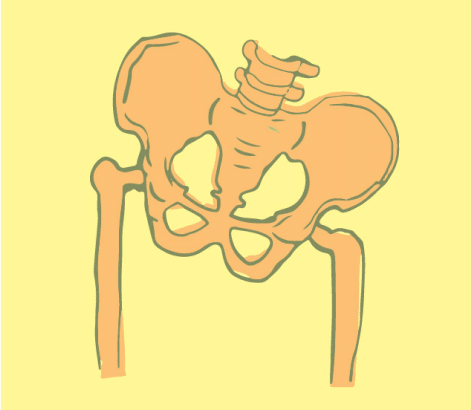
The pelvic floor muscles are closely linked to our gastrointestinal system and bowel health. If you’re experiencing gastrointestinal symptoms or difficulties with bowel movements, it’s worth considering a pelvic floor physical and occupational therapy evaluation. Bowel dysfunction can be connected to pelvic floor muscles that are either too tight, too weak, or not functioning properly. Traditionally, people were advised to do Kegel exercises for bowel health, but if your pelvic floor muscles are too tight, this might worsen your symptoms. That’s why it’s essential to collaborate with a pelvic floor physical and occupational therapists either via telehealth or in-person to ensure proper rehabilitation. Sometimes, the pelvic floor muscles need to be lengthened before they can be strengthened.
In the virtual evaluation, your physical and occupational therapists engages in a detailed discussion about your medical history, symptoms, prior diagnoses, and the outcomes of past treatments. We empathize with the frustrations you’re encountering, as numerous individuals reach out to us for support after enduring prolonged discomfort.
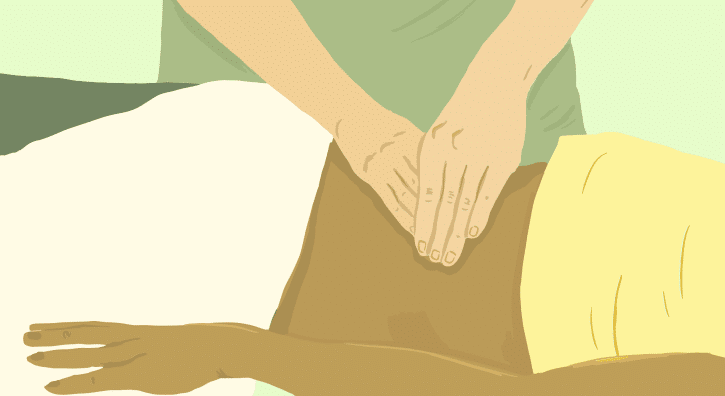
During the examination, the therapist assesses muscles, tissues, joints, nerves, and movement patterns. After finishing the examination, your therapist discusses their findings with you. They then create an assessment that explains how your symptoms developed and establish both short and long-term treatment goals.
Typically, virtual sessions occur one to two times per week for approximately 12 weeks. You’ll also receive a home exercise program to complement your virtual sessions. Additionally, your physical and occupational therapists coordinates your recovery with other members of your treatment team. We aim to support you in your recovery journey so you can live your best life!